
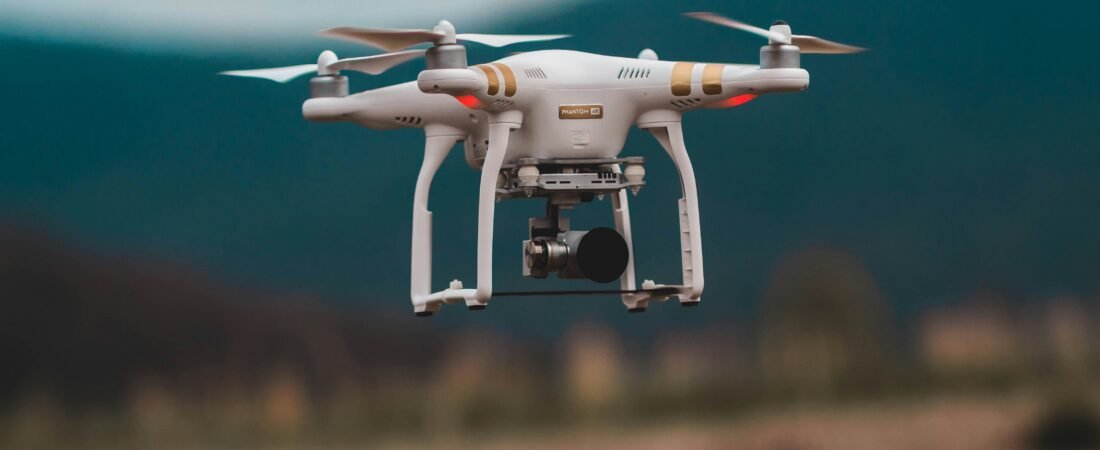
So, you’re wondering about drone pilot jobs in 2026? Good news: the outlook is positive and evolving. While the core skill of flying a drone remains essential, the roles themselves are becoming more specialized and integrated into various industries. It’s not just about capturing cool aerial footage anymore; it’s about providing critical data and performing complex tasks. Expect to see continued growth in commercial applications, a greater emphasis on data analysis, and a need for pilots with diverse skill sets beyond just stick time. The demand isn’t just for pilots, but for individuals who understand the entire drone ecosystem, from planning and execution to data interpretation and maintenance.
The Evolving Landscape of Drone Operations
The drone industry is still relatively young, and that means it’s constantly changing. What was bleeding-edge technology a few years ago is now commonplace, and new innovations are always on the horizon. This dynamic environment means drone pilots need to be adaptable and committed to continuous learning.
From Niche to Mainstream
Initially, drones were largely seen as a novelty or a tool for specialized media production. Now, they’re becoming integral to operations in a wide range of sectors. Think about surveying a construction site, inspecting a power line, or even delivering medical supplies to remote locations. These aren’t hypothetical scenarios; they’re happening right now, and the scale is only going to increase by 2026. This shift from niche applications to mainstream operational tools is a key driver of job growth.
Beyond the Sticks: Data and Integration
Being a good pilot will always be important, but merely flying a drone isn’t enough anymore. The real value often lies in the data the drone collects and how that data is integrated into existing workflows. This means pilots often need to understand the sensors they’re operating (e.g., thermal, LiDAR, multispectral), the software used to process the data, and how that information will be used by the end client. For instance, a pilot inspecting solar panels isn’t just flying; they’re collecting thermal data that needs to be analyzed to identify faulty cells.
As the demand for drone technology continues to grow, the job market for drone pilots is expected to expand significantly by 2026. For those interested in exploring the various career opportunities in this field, a related article can provide valuable insights. You can read more about the future of drone careers and the skills needed to succeed in this evolving industry by visiting this link: AI Certifications and Their Impact on Future Careers.
Key Industries Driving Demand

Several sectors are rapidly adopting drone technology, creating a significant demand for skilled pilots and related professionals. Understanding these industries can help you target your skills and job search.
Construction and Infrastructure Inspection
This is a massive growth area. Drones are revolutionizing how construction projects are managed and how existing infrastructure is maintained.
Site Surveying and Progress Monitoring
Forget traditional, time-consuming methods. Drones can quickly map vast construction sites, generate accurate 3D models, and monitor progress with unprecedented frequency. This allows project managers to track earthworks, material stockpiles, and overall site development in real-time. Pilots here need skills in photogrammetry, mapping software, and often, CAD integration.
Bridge and Building Inspections
Inspecting bridges, high-rise buildings, and other large structures traditionally involved scaffolding, cherry pickers, and significant safety risks. Drones can perform these inspections much more safely, quickly, and often more thoroughly, identifying cracks, corrosion, and other defects with high-resolution cameras and thermal imaging. This requires precision flight skills and an understanding of structural engineering basics.
Power Line and Pipeline Inspections
Similar to bridge inspections, drones offer a safer and more efficient way to inspect miles of power lines, pipelines, and other linear infrastructure. They can detect anomalies like vegetation encroachment, damaged insulators, or leaks, significantly reducing response times and maintenance costs. Pilots in this field need experience with long-range flight, advanced sensors, and often, beyond visual line of sight (BVLOS) operations, where regulations are still evolving but progressing.
Agriculture and Forestry
Drones are transforming how farmers manage their crops and how forests are monitored.
Precision Agriculture
Farmers are using drones for everything from crop health monitoring (identifying areas of stress or disease using multispectral cameras) to targeted pesticide or fertilizer application. This leads to more efficient resource use and higher yields. Pilots here need to understand agricultural cycles, plant pathology, and specialized agricultural drone platforms.
Livestock Monitoring
Drones can efficiently monitor large herds of livestock, tracking their location, health, and behavior, especially in vast, open terrains. Thermal cameras can even assist in locating lost animals or identifying sick ones.
Forest Management and Reforestation
Drones are used for mapping forest health, identifying areas affected by pests or fires, and even for seed dispersal in reforestation efforts. This requires expertise in mapping, environmental science, and sometimes, specialized dispensing equipment.
Public Safety and Emergency Services
Drones are becoming indispensable tools for first responders.
Search and Rescue
In disaster zones or challenging terrain, drones equipped with thermal cameras and powerful zoom lenses can locate missing persons much faster and safer than ground crews, especially at night or in dense vegetation. Pilots need to be calm under pressure and proficient in operating in dynamic environments.
Crime Scene Investigation and Accident Reconstruction
Drones can quickly map and document crime scenes or accident sites, providing high-resolution aerial imagery and 3D models that are invaluable for analysis and evidence collection. This reduces the time officers spend on scene and provides a comprehensive overview.
Firefighting Support
Drones can provide firefighters with real-time intelligence on wildfire spread, hot spots, and the location of personnel, enhancing safety and operational effectiveness. Pilots require excellent situational awareness and the ability to operate in challenging atmospheric conditions.
Media and Entertainment (and Marketing)
While often the most visible application, this sector continues to grow and diversify.
Film and Television Production
Drones are a staple in film and TV, offering dynamic camera angles and sweeping cinematic shots that were once prohibitively expensive. This requires highly skilled pilots with a strong understanding of cinematography and camera operation.
Live Event Coverage
From sports to concerts, drones provide unique perspectives for live broadcasts, enhancing the viewer experience. This demands precise flight control and the ability to operate safely in crowded environments.
Real Estate and Commercial Marketing
High-quality aerial photography and videography are essential for showcasing properties, resorts, and commercial developments. This often involves combining flight skills with marketing savvy and post-production knowledge.
Essential Skills for 2026 Drone Pilots

Beyond just flying, a modern drone pilot needs a diverse toolkit of skills to thrive in 2026.
Flight Proficiency and Safety
This is the bedrock. You need to be an excellent pilot, capable of precise, smooth flight in various conditions.
Advanced Maneuvering
Being able to fly not just forward but execute complex movements, maintain specific altitudes, and fly precise patterns is critical for many commercial applications, especially inspections and mapping.
Emergency Procedures
Knowing how to handle unexpected situations – sudden wind gusts, battery failures, GPS loss – and executing emergency landings safely is paramount. Safety isn’t just a buzzword; it’s a non-negotiable requirement.
Regulatory Compliance
Understanding and adhering to aviation regulations (like FAA Part 107 in the US, or EASA regulations in Europe) is not just a skill, but a legal necessity. This includes airspace restrictions, operating limitations, and proper documentation. Expect these regulations to evolve, especially concerning BVLOS operations.
Data Acquisition and Management
As mentioned, collecting data is only part of the equation; managing and understanding it is where the real value lies.
Sensor Operation and Calibration
Knowing how to operate various sensors (RGB, thermal, multispectral, LiDAR) and ensure they are properly calibrated for accurate data collection is crucial. Different sensors yield different types of data, and knowing when to use which is key.
Photogrammetry and Mapping Software
For mapping, surveying, and 3D modeling, proficiency in software like Pix4D, DroneDeploy, or Agisoft Metashape is often required. This involves understanding how to plan missions, process images, and generate accurate outputs.
Data Analysis and Interpretation
While not every pilot will be a data scientist, a basic understanding of how the collected data is analyzed and what insights it can provide is highly beneficial. For example, knowing how to identify anomalies in a thermal image of a solar panel.
Software and Technical Aptitude
The drone world is increasingly software-driven.
Flight Planning Software
Mastering applications like DJI Pilot, Litchi, or other mission planning tools to create automated flight paths, set waypoints, and define mapping grids.
Post-Processing Software
Skills in video editing software (e.g., Adobe Premiere Pro, DaVinci Resolve) and photo editing software (e.g., Adobe Photoshop, Lightroom) are often needed, especially in media and marketing roles.
Basic Troubleshooting and Maintenance
Being able to perform routine maintenance, diagnose minor issues, and understand drone components can save time and prevent costly downtime.
Soft Skills and Business Acumen
Don’t underestimate the importance of these skills, especially for freelancers or those working directly with clients.
Communication and Client Relations
Clearly communicating project scope, limitations, and deliverables to clients is vital for successful engagements. Being professional and responsive builds trust.
Problem-Solving and Adaptability
Every drone mission can present unique challenges. The ability to think on your feet, adapt to changing conditions, and troubleshoot issues in the field is invaluable.
Project Management
For larger projects, understanding how to plan, execute, and deliver results on time and within budget is essential. This includes risk assessment and mitigation.
Training and Certification Pathways
Getting certified and continuously training is not optional; it’s fundamental to a successful drone career.
Commercial Drone Pilot Certification
In many countries, you need a commercial license to fly drones for pay. For instance, in the United States, this is the FAA Part 107 Remote Pilot Certificate.
Preparing for the Exam
This typically involves studying aviation regulations, airspace classifications, weather patterns, drone loading and performance, and emergency procedures. Numerous online courses and study guides are available.
Maintaining Currency
Certifications often require renewal or recurrent training to ensure pilots stay up-to-date with evolving regulations and best practices.
Specialized Training and Courses
Beyond basic certification, specific industries often require or highly value specialized training.
Thermal Imaging Certification
For pilots working in inspections, search and rescue, or agriculture, specific training on operating thermal cameras and interpreting thermal data is highly beneficial, often offered by sensor manufacturers or specialized institutes.
LiDAR Data Acquisition and Processing
LiDAR is a powerful tool for precision mapping and 3D modeling. Training in operating LiDAR payloads and processing the point cloud data is a specialized skill.
BVLOS Operations Training
As regulations slowly catch up with technology, training for Beyond Visual Line of Sight (BVLOS) operations will become increasingly important for long-range inspections and deliveries. This involves advanced safety protocols and operational planning.
Continuous Learning and Adaptability
The drone industry is fast-paced. What’s new today might be old hat tomorrow.
Staying Updated on Technology
Regularly reading industry publications, attending webinars, and participating in drone communities helps you stay informed about new drones, sensors, and software.
Practicing and Expanding Skills
Regular flight practice, trying out new flight modes, and experimenting with different types of missions will keep your skills sharp and broaden your capabilities.
As the demand for drone technology continues to rise, many are exploring the exciting opportunities in the field of drone jobs for 2026. With industries ranging from agriculture to film production increasingly relying on drone pilots, the landscape for drone careers is evolving rapidly. For those interested in this burgeoning field, a related article can provide valuable insights into the various roles available and the skills required to succeed. You can read more about this topic in the article on Future of Work Daily, which highlights the future of drone pilot jobs and the potential for growth in this innovative sector.
Salary Expectations and Job Outlook
| Metric | 2026 Projection | Details |
|---|---|---|
| Number of Drone Pilot Jobs | 150,000+ | Estimated global drone pilot positions across various industries |
| Annual Growth Rate | 18% | Projected compound annual growth rate for drone-related careers |
| Top Industries Hiring Drone Pilots | Agriculture, Construction, Delivery, Film & Media, Public Safety | Industries with highest demand for drone operators |
| Average Flight Hours Required | 200-400 hours | Typical flight experience needed for commercial drone pilot certification |
| Certification Requirements | Remote Pilot Certificate (FAA Part 107 or equivalent) | Mandatory certification for commercial drone operations in many countries |
| Median Salary Range | 40,000 – 75,000 | Annual salary range for drone pilots depending on experience and industry |
| Emerging Drone Careers | Drone Data Analyst, Drone Maintenance Technician, Drone Software Developer | New roles evolving alongside drone technology advancements |
Let’s talk numbers and the overall trend. While specific salaries vary widely based on location, industry, experience, and specialization, the general outlook is positive.
Factors Influencing Salary
Several elements play a significant role in determining how much a drone pilot can earn.
Experience and Specialization
Entry-level pilots might start with lower wages, but those with years of experience, specialized certifications (e.g., thermal, LiDAR), and expertise in high-demand industries (e.g., oil & gas inspection, complex construction mapping) command significantly higher rates.
Full-Time Employment vs. Freelance
Full-time employees often receive a steady salary, benefits, and equipment. Freelancers have the potential for higher per-project rates but also bear the costs of equipment, insurance, and marketing. Their income can fluctuate more.
Geographic Location
Demand and cost of living vary by region. Major metropolitan areas or industrial hubs with significant drone adoption might offer higher pay scales.
Industry and Project Complexity
Pilots working on high-risk inspections or highly technical data acquisition projects typically earn more than those doing basic real estate photography, simply due to the specialized skills, equipment, and liability involved.
Overall Job Outlook for 2026
The consensus among industry analysts is continued strong growth. The commercial drone market is projected to expand significantly, and this expansion directly translates to an increased demand for skilled personnel. While automation will play a role, the need for human oversight, planning, data interpretation, and complex manual operations will remain crucial. New applications are constantly emerging, opening up new avenues for drone professionals. The key will be to specialize and continuously upgrade your skills to remain competitive and in demand. Expect the job market to favor those who can offer comprehensive solutions, not just basic flight services.